Psychology of investors decisions in the cryptographic market
Over the past decade, the cryptors market has been a wild investor ride and prices have increased to unique heights and fell into record drops. But despite the volatility of many investors, they still buy this space with optimism and enthusiasm. However, under the surface of these seemingly impulsive decisions, there is a comprehensive network of psychological factors that may affect investor behavior.
1. Fear and greed
One of the most durable financial theories is the concept of fear and greed. In times of uncertainty of market or economic slowdown, investors are becoming increasingly scared and unwilling to risk, leading them to buying assets, such as shares and bonds, as a way of protecting against potential losses. Meanwhile, when the market is developing, they can experience an increase in emotions and use this shoot by buying a cryptocurrency such as bitcoin.
However, this psychological phenomenon may be problematic for investors who are not familiar with markets or do not have a solid understanding of basic assets. When fear is held, investors can make impulsive decisions based on emotions, not careful analyzes, leading to expensive mistakes.
2. Confirmation of bias
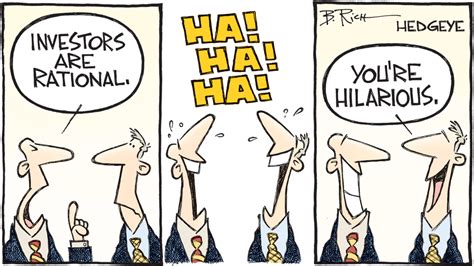
Investors often have pre -accepted ideas of cryptomains and other resources, which can lead to information about the collection of cherries that support their existing beliefs, ignoring or discouncing contradictory evidence. This selective attention is known as the bias of confirmation and can force investors to believe what they want to hear – even if they do not support their data.
For example, the investor can read about a promising new cryptocurrency only after increasing prices, strengthening their previously existing prejudices and leading them to other plants for asset potential. Similarly, an investor who is skeptical of cryptocurrencies may more often ignore or refuse any information that contradicts their views, even if it gives convincing evidence.
3. Paradox Aversion to Losses
Investors are often worried that they lose more than valuable potential benefits when investing. This phenomenon is known as unwillingness to lose and can lead to investors to make impulsive decisions based on the desire to avoid potential losses and not maximize potential returns.
For example, the investor may invest a significant part of its portfolio in a specific cryptocurrency because he is afraid of losing money if the price of assets falls. However, the same fear can lead to neglect of further investment options or to excessive risk in finding short -term profits.
4. Illusion of control
Investors often believe that they have control of market movements and assets, which can be a strong psychological influence. By allocating the direction of their own markets (or their lack), investors may feel more confident and controlled, leading to excessive risk or impulsive decisions.
In fact, markets are very unpredictable and investors’ behavior is often driven by factors that go beyond control – for example, market moods, economic trends and external events. Investors who recognize these restrictions can develop a healthier relationship with risk and investment in general.
5. Social influence
Social impact plays an important role in the formation of investors’ behavior, especially as regards cryptomena markets. Investors often influence the opinions and actions of others that can lead them to the adoption of certain investment strategies or attitudes based on what they see around them.
For example, the investor may follow another investor who is successful, who buys a specific source or invests strongly in a cryptocurrency, because it does it at the same time.