A Theoretical “Attack” on Bitcoin: When the Halving Ends – The Miner’s Dilemma
Bitcoin, the first and most widely recognized cryptocurrency, is facing an unusual phenomenon. As the block reward for creating new Bitcoins decreases with each halving event, miners face an uncertain future. The question is: what happens when this critical reduction in mining profitability causes some miners to abandon their jobs?
Half-life: A Key Factor
Bitcoin’s block reward is designed to incentivize miners to validate transactions and create new blocks at a set rate (currently 6.25 BTC per block). Each block requires significant computing power, energy consumption, and storage space. The halving process ensures that the supply of new Bitcoins remains limited to approximately 210,000, maintaining the value and scarcity of each coin.
Consequences of halving: prize reduction
When miners receive a smaller reward for creating new blocks (for example, after the halving in 2012), several problems arise:
- Low Profitability: With a low block reward, miners may not be able to afford the computing power and energy consumption required to mine Bitcoin.
- Increased Unprofitability: As more miners quit or reduce their mining efforts, the overall efficiency of the network declines, making it harder to verify new transactions and create blocks.
Impact on miners: “miner’s dilemma”
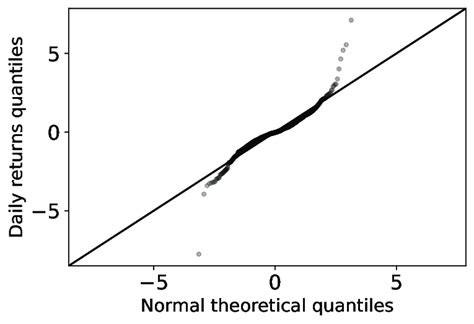
If price increases do not compensate for reward decreases, some miners will eventually become unprofitable. This can lead to a phenomenon known as “miner fatigue”, where fewer miners remain active while others continue to mine at reduced rates.
As more miners quit their jobs or reduce their efforts, the complexity of the Bitcoin network decreases. With less mining power and resources, miners must optimize their operations to maintain profitability, which may not be feasible. This can lead to:
- Reduced mining efficiency: Miners will have to compete for a limited number of blocks, leading to reduced mining speed and increased competition.
- Increased energy consumption: To compensate for the reduced reward, miners may resort to using more energy-intensive algorithms or techniques, contributing to increased greenhouse gas emissions.
Theoretical “attack” on Bitcoin
Once the halving is complete, some miners may become unprofitable due to a combination of factors:
- Reduced block rewards
- Increased competition
- Declining mining efficiency
This theoretical scenario could lead to a significant decline in mining activity, as has been observed in recent years. The consequences of this decline are far-reaching and affect the overall stability of the Bitcoin network.
Finally, as the halving cycle ends, miners must adapt to the changes in the reward structure. If the price increase does not compensate for the reduction in the reward, some miners will become unprofitable, leading to “miner scepticism.” The theoretical concept of a “hit” on Bitcoin highlights the possible consequences of this critical reduction in mining profitability and the importance of adapting to these changes in order to maintain the stability and decentralization of the network.