The great ditch: cryptocurrency vs centralized finance (DEFI) in the era of decentralized exchanges
In recent years, the finance world has undergone a significant change. The rise of cryptocurrencies, blockchain technology and decentralized exchanges (DEX) has transformed the way we think of money, trade and financial instruments. Two of the most important developments in this space are centralized financing exchanges (DEFI) and based on cryptocurrencies (CEX). Although the two offer exciting opportunities for investors and traders, they differ considerably by their principles, advantages and disadvantages underlying.
Centralized finance (DEFI)
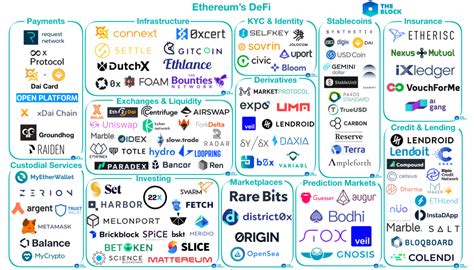
DEFI, also known as decentralized finance, is a financial technology that works entirely outside traditional centralized systems. DEFI platforms use Blockchain technology to give access to financial services, such as loans, loans, trading and investment. The best known examples of Defi are:
- Uniswap (Ethereum): a decentralized exchange for the trading of cryptocurrencies.
- Makerdao (EOS): a decentralized loan platform that allows users to borrow and lend tokens.
- Composed (BTC / ETH): a decentralized interest rate management platform.
The key characteristics of Defi are:
* Decentralized governance : decision -making is distributed between the participants, which reduces the risk of centralization.
* Immutable contracts : Intelligent contracts on the blockchain guarantee the execution of agreements without intermediaries.
* Transversal interoperability : ability to transfer assets to different blockchains.
* Low costs and liquidity : lower transaction costs and increase in trading volumes.
Benefits:
- Increased safety : DEFI platforms are more resistant to hacking and censorship because of their decentralized nature.
- Lower transaction costs : Transaction costs are generally lower compared to centralized exchanges.
- Improvement of the user experience : Decentralized technology allows greater flexibility in terms of user interface, usability and personalization.
Disadvantages:
- Limited liquidity : Liquidity providers often do not have the resources to absorb large volumes of data on the market, which limits their potential impact on prices.
- Vulnerability to smart contract bugs
: If smart contracts are not implemented correctly or have vulnerabilities, they can cause significant losses for users.
- Regulatory uncertainty : The regulatory landscape is still evolving and the DEFI platforms can face challenges to comply with existing laws and regulations.
Centralized finance (CEX)
Traditional centralized finance (CEX) operates through a network of banks, investment companies and other financial institutions which act as intermediaries between investors and the financial markets. The CEX gives access to financial services, such as trade, loan and investment, but with a centralized control structure.
The key characteristics of CEX are:
* Centralized infrastructure : banking systems, financial institutions and investment companies provide liquidity and asset custody.
* Regulatory OPPENSION : Governments regulate and apply compliance with laws and regulations.
* Institutional knowledge : Professionals have vast expertise in risk management and informed decisions.
Benefits:
- established credibility : CEX are supported by established institutions, offering a feeling of confidence and stability.
- Liquidity management : Centralized infrastructure can manage large volumes of data on the market, leading to higher liquidity.
- Regulatory compliance
: Compliance with existing laws and regulations is generally easier in a centralized environment.
Disadvantages:
- Risks of centralization : CEXs are vulnerable to centralized control, which can lead to an increased risk of handling or hacking.
2