Ethereum: Uncovering the Secrets of Scrypt on Ethereum
The rise of decentralized applications (dApps) has led to a high demand for secure and energy-efficient blockchain solutions. Tenebrix, a fork of Bitcoin, aims to provide a more CPU-friendly alternative to traditional mining algorithms like SHA256. But how does it work? In this article, we’ll dive into the world of scrypt and Ethereum’s GPU-resistant features.
What is Scrypt?
Scrypt is a proof-of-work (PoW) algorithm designed by Google for use in Bitcoin 2.x. It was developed to reduce power consumption while maintaining the same level of security as SHA256. In essence, scrypt uses a unique hash function and memory keys to make it more resistant to GPU-based attacks.
How does Scrypt work?
The core concept of Scrypt is based on the idea that traditional PoW algorithms are vulnerable to GPU-based attacks due to their high computational requirements and energy-intensive nature. To mitigate this problem, scrypt uses a combination of two main components:
- Hash function: The hash function used in scrypt generates a unique hash for each block. This hash is then processed by the network to verify the integrity of the blockchain.
- Memory keys: Scrypt’s memory keys require miners to maintain data (memory) on their nodes, making it harder for malicious actors to exploit GPU-based attacks.
Ethereum and Scrypt
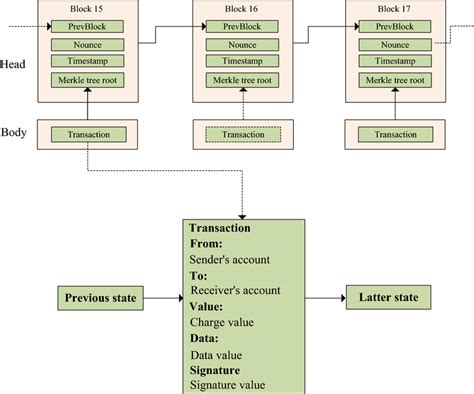
Let’s now expand on how scrypt’s features make Ethereum a more energy-efficient alternative to traditional mining algorithms. When using SHA256 or other PoW algorithms like Keccak-256, the computational requirements are high, making it difficult for GPUs to keep up. However, Ethereum uses scrypt, which has been optimized for GPU acceleration.
GPU Resilience
The main feature that sets scrypt apart from traditional mining algorithms is its ability to handle large amounts of data and computation on GPUs. This allows miners to scale their operations without worrying about power consumption or the need for high-performance hardware. As a result, Ethereum’s Tenebrix fork benefits from improved GPU resiliency, making it more viable for decentralized applications.
Advantages of Scrypt over Ethereum
The advantages of scrypt over Ethereum are numerous:
- Energy Efficiency: Tenebrix miners can mine without consuming too much energy, reducing their carbon footprint and operating costs.
- Scalability: The optimized algorithm enables faster block creation times and higher transaction rates, making it easier to scale decentralized applications.
- Security: Scrypt’s memory keys and hash function provide a robust layer of protection against GPU-based attacks.
Conclusion
Ethereum’s adoption of scrypt has opened up new possibilities for energy-efficient mining on the blockchain. Scrypt’s enhanced security features and scalability benefits make it an attractive alternative to traditional PoW algorithms like SHA256. As the decentralized application ecosystem continues to grow, we can expect to see more miners turn to scrypt-compatible solutions like Tenebrix.
Further Reading
- [Official Ethereum Blog: “Scrypt”] – Explore in-depth information about Ethereum’s development and implementation of scrypt.
- [Tenebrix Fork Wiki] – Learn more about the Tenebrix fork, its features, and how it differs from traditional Bitcoin mining.