The Limitations of Ethereum: Why Malicious Miners Can’t Claim Bitcoins
One of the most popular blockchain platforms, Ethereum is surrounded by controversy regarding its design and implementation. One of the biggest concerns surrounding Ethereum is the fact that malicious miners cannot claim a significant number of Bitcoins. In this article, we will explore why this is the case and what happens when a miner tries to exploit this limitation.
The Basics: What is a Miner?
A miner is an individual or organization that uses powerful computers (called mining rigs) to validate transactions on the Ethereum network and create new blocks. The main goal of a miner is to solve complex mathematical puzzles, which requires significant computing power. When a miner solves these puzzles, they are rewarded with newly minted Bitcoins as well as transaction fees from other users.
Why can’t malicious miners claim bitcoins?
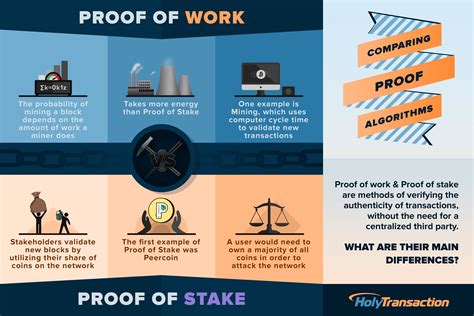
Now let’s look at the real question: Why can’t malicious miners claim bitcoins when they want to? The answer lies in the design of the Ethereum network. More specifically, it has something to do with transactions and Proof-of-Work (PoW) consensus.
Transactions are verified by miners
On the Ethereum network, each transaction is verified by multiple miners before it is added to the blockchain. This process requires significant computing power from those miners, which can be expensive to maintain. As a result, the cost of verifying transactions becomes prohibitively high for malicious actors.
Proof-of-Work (PoW) consensus
The Ethereum network uses a Proof-of-Work (PoW) consensus algorithm to secure its blockchain. This means that nodes on the network compete to solve complex mathematical puzzles, which requires significant computing power. The first miner to solve these puzzles is allowed to add a new block of transactions to the blockchain and broadcast it to the network.
Why self-rewarding miners don’t work
If a malicious miner tried to award themselves bitcoins for simply solving the puzzle, several reasons would prevent this from happening:
- Cost: The computing power required to solve the puzzle is significant, making it extremely difficult for a single miner to afford it.
- Network effect
: With many miners competing to solve puzzles and add new blocks to the blockchain, the incentive to attempt self-rewarding mining is low. It is unlikely that a single miner could handle this collective effort.
- Energy requirements: The energy requirements to run powerful mining equipment are significant, which can result in significant costs for both the miner and the network.
What happens if miners try to reward themselves?
If a miner could somehow afford the computing power required to solve puzzles, several things could happen:
- Block reward inflation: The more miners try to reward themselves, the smaller the block reward for solving puzzles would become, as fewer transactions would be verified.
- Increased energy consumption: The increased energy consumption from running mining rigs would lead to higher electricity costs and potentially harm the environment.
- Network congestion: With more miners competing for computing power, network congestion could become a significant problem, resulting in slower transaction processing times.
Conclusion
In summary, malicious miners cannot reward themselves with Bitcoins due to the design of the Ethereum network’s Proof-of-Work (PoW) consensus algorithm and the costs associated with solving complex mathematical puzzles. While attempting self-award mining may be an interesting idea for a malicious actor, it carries significant risks for both the miner and the network as a whole.