The Battle for Market Supremacy: IDO vs EIO in the Cryptocurrency Space
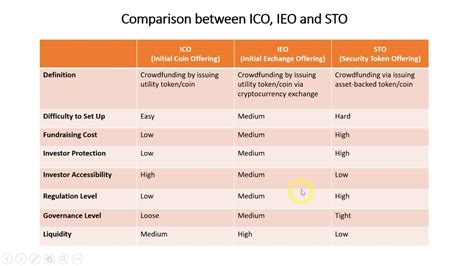
The world of cryptocurrencies has seen a surge in new entrants and innovative funding models in recent years, but two of the most popular ones have been IDO (Initial Dumbole) and IEO (Initial Exchanges Offering). While both models share some similarities, they also have distinct differences that can make one more appealing to investors than the other. In this article, we’ll delve into the details of each model and explore which one might be better suited for market dominance.
IDO: The Initial Dumbole
The IDO model, short for “Initial Dumbole”, is a relatively new funding strategy that has gained significant attention in the cryptocurrency space. It allows companies to raise funds by listing their project on multiple exchanges at once, rather than through a single initial public offering (IPO). This approach enables projects to tap into the liquidity of different markets and reach a wider audience.
The IDO model typically involves the following steps:
- Application process: Companies submit an application to list their project on one or more exchanges.
- Funding rounds: The company raises funds through various funding rounds, often in exchange for tokens.
- Listing fees: Exchanges pay a fee to list the company’s project, which can range from 10% to 30%.
- Revenue sharing: The remaining revenue is shared among investors who purchased tokens during the funding round.
EOE: The Initial Exchange Offering
The IEO model, on the other hand, is an alternative funding strategy that emerged in 2019. It allows companies to raise funds by selling their project’s native token directly to investors at a set price. This approach has been popularized by projects like TRON and Compound.
The IEO model typically involves the following steps:
- Token sale: The company sells its native token at a fixed price, usually with an initial token supply of 10-100 million.
- Exchange listing: The token is listed on one or more exchanges.
- Revenue sharing: Exchanges share revenue generated from trading the token.
Comparing IDO and IEO
Both models have their advantages and disadvantages:
- Diversification risk: IDO models allow companies to tap into different markets, which can increase diversification risks for investors. If one market experiences a decline, it may not affect other exchanges.
- Less regulation: IDO models are often less regulated than IEOs, as they don’t involve the same level of tokenomics and security measures.
- Higher fees
: IDO models tend to have higher listing fees compared to IEOs.
Conclusion
While both IDO and IEO models have their strengths and weaknesses, IDO might be a better choice for investors who prioritize diversification risk. By allowing companies to raise funds through multiple markets, IDO models can increase the overall market size and liquidity, making it more attractive to investors. However, IEOs offer lower fees and potentially greater control over token distribution, which may appeal to some investors.
Ultimately, the choice between IDO and IEO depends on an investor’s individual risk tolerance, investment goals, and preferences. By understanding the pros and cons of each model, investors can make informed decisions that align with their investment strategy.